Naphtha is a light to medium petroleum distillate produced during crude oil refining, typically covering
the carbon range C5–C12 and boiling between approximately 30 °C and 200 °C. Classified as either
light naphtha (C5–C7, boiling range 30–100 °C) or heavy naphtha (C7–C12, boiling range 100–200
°C), naphtha is one of the most versatile refinery outputs — serving simultaneously as a primary
petrochemical feedstock for steam crackers, a gasoline blending component, a catalytic reforming input
for aromatics production, and a base for industrial solvents. Global naphtha trade is dominated by flows
from the Middle East, Russia, and North Africa into Asian petrochemical complexes, with significant
regional trade across Europe and the Americas.
Naphtha's commercial value is primarily determined by its PONA composition (Paraffins, Olefins,
Naphthenes, Aromatics), density, sulfur content, and distillation curve. Steam cracker operators favour
high-paraffin light naphtha for maximum ethylene and propylene yields, while catalytic reformer
operators prefer heavy naphtha with moderate naphthene content to maximise BTX aromatics output.
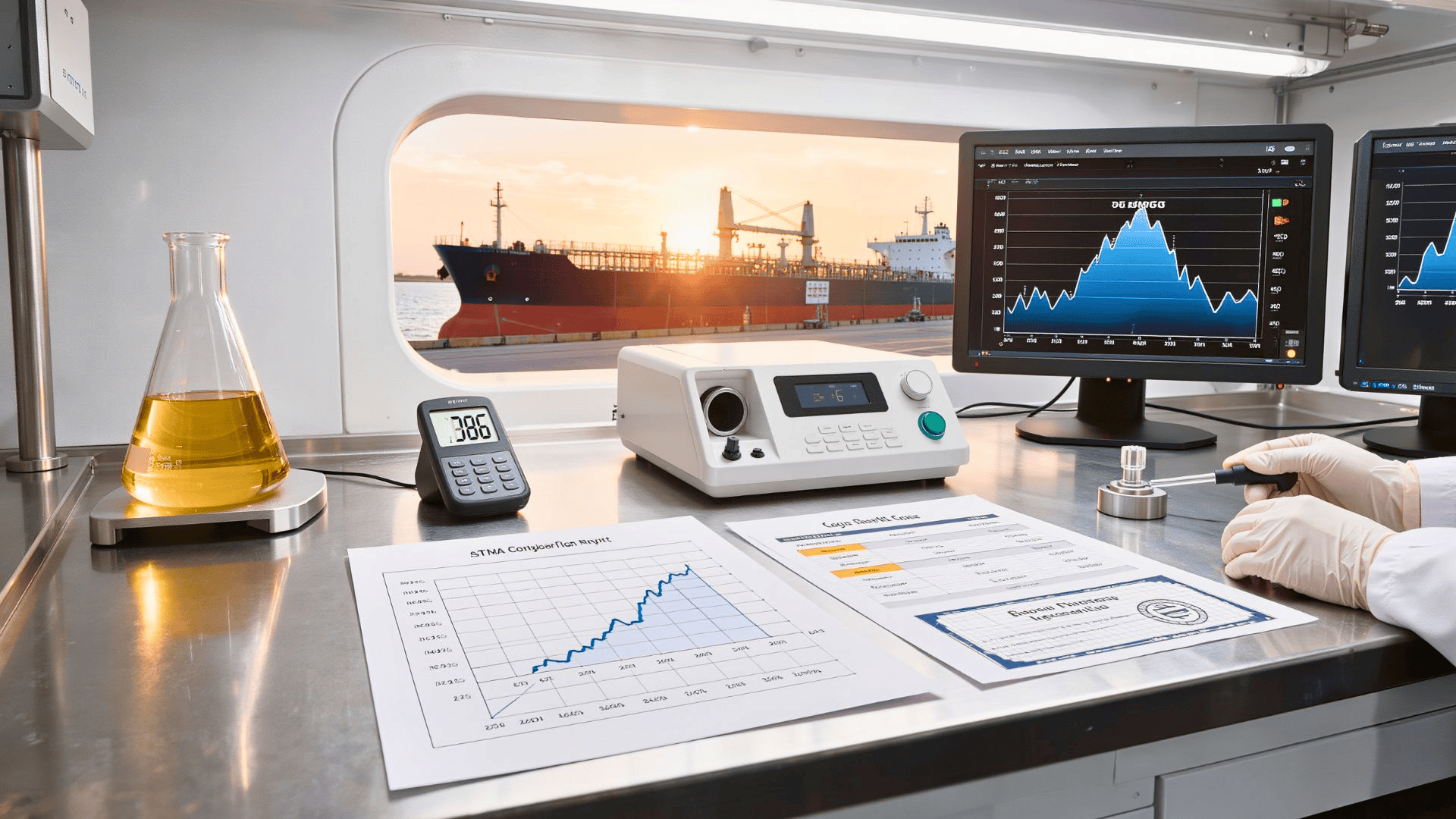
Petrolodex supplies naphtha across all major specification windows, with independent quality testing
against ASTM D86, ASTM D4052, ASTM D4294, and ASTM D1319 standards — providing buyers with
full PONA analysis and distillation data before cargo confirmation.
All Petrolodex naphtha transactions are supported by full quality documentation including refinery
certificates of analysis, third-party inspection reports (SGS / Intertek / Bureau Veritas), PONA analysis
data, and MSDS sheets.

:quality(85))