About the Author

Here’s a number that almost never shows up on a fuel quote.
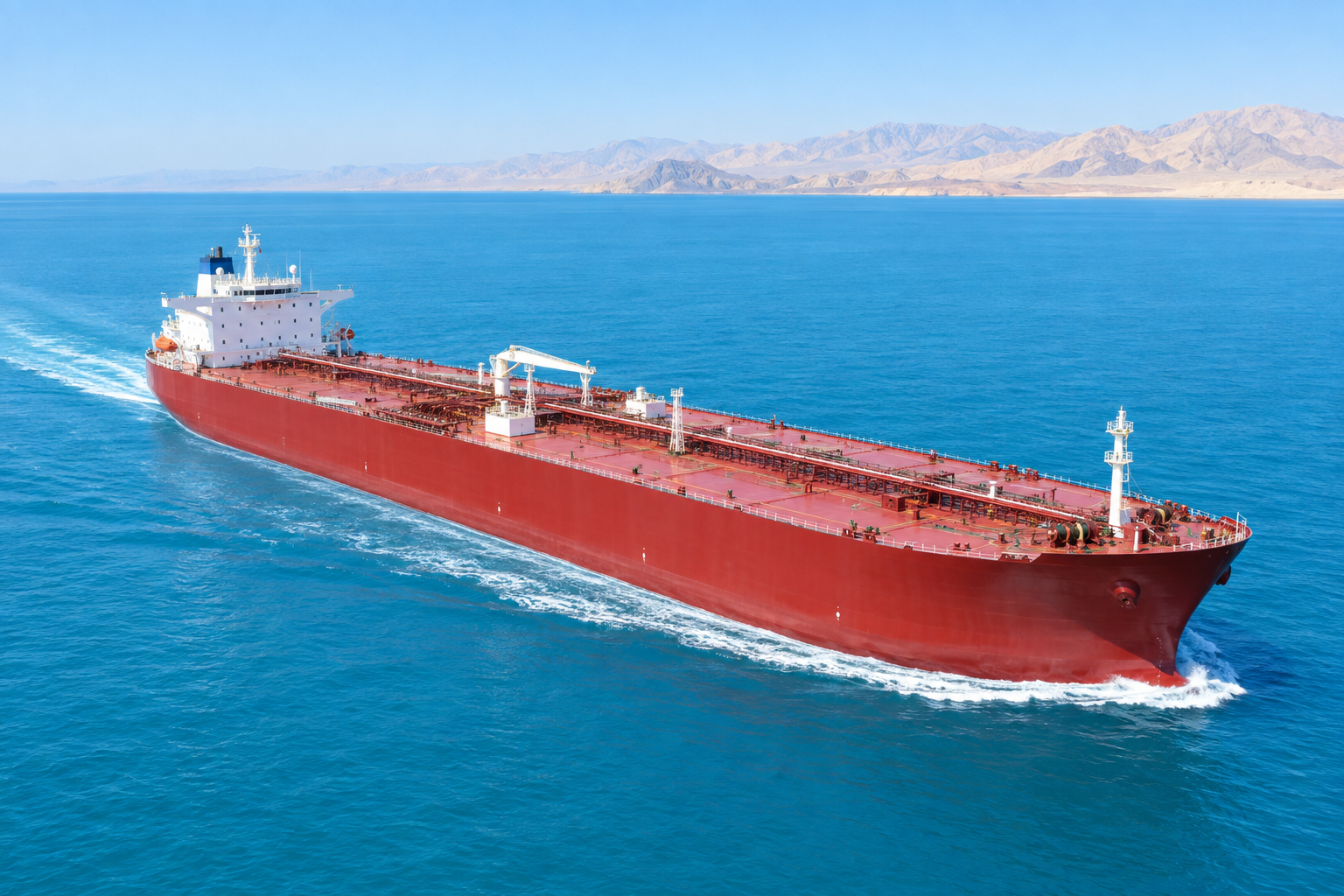
Shipping a barrel of crude from the US Gulf Coast to Asia now runs $30 to $35. Roughly a year ago, it was about $5. That isn’t our estimate.
Six to seven times more. Just to move the oil across an ocean.
If you buy diesel, jet fuel, fuel oil or crude anywhere in the world, part of that cost is inside your price today. You just can’t see it, because it’s usually rolled into a single “delivered” number.
| Route or measure | Before | Recently |
| Freight, US Gulf Coast to Asia (per barrel) | About $5 (a year earlier) | $30 to $35 |
| VLCC freight, Middle East to East Asia (per barrel) | $3.18 in January | $37.13 in October |
| Marine insurance on the same route (per barrel) | $0.06 in January | $12.29 in October |
| Freight + insurance as a share of the crude cost | About 5% | About 30% |
| Hiring one supertanker, US Gulf to China | Under $8M (5 year average) | $79.6M peak in October |
| Freight, Fujairah to India’s west coast (per barrel) | $1.57 in late February | $7.51 in October |
Read the insurance line one more time. Twelve dollars a barrel, up from six cents. Add freight and insurance together and, by OPEC’s own figures, getting the oil there went from about 5% of the crude cost on that route to about 30%. Close to a third of the bill, just for the voyage.
Insuring one barrel of crude went from 6 cents to $12.29 in under a year.
Yes. And that’s exactly why this matters today, not six months from now.
Tanker rates on many routes are down about 50% from their October peaks. Hiring a supertanker from the US Gulf to China cost about $33.8 million in the week to 13 November, less than half of October’s record.
The futures market expects more relief. Argus reports that the January freight contract for a supertanker from the Middle East Gulf to Asia has slipped to the equivalent of about $13 a barrel, while the spot rate on that same route still sits near $32.82. Put simply, the people who trade shipping costs for a living expect the voyage to get a lot cheaper, soon.
Here’s the catch. When freight drops this fast, the savings don’t spread evenly. They land first with whoever sits closest to the cargo and sees the real numbers. Everyone further down the chain keeps paying last month’s freight for a while. Sound familiar?
Freight is falling. The real question is whether that drop reaches your invoice this quarter, or gets quietly kept somewhere between the ship and you.
How Does Freight Affect Diesel and Fuel Prices?
If you buy refined products, you rarely pay freight once. You usually pay it twice.
- First, on the crude. The refinery that made your diesel paid to ship its crude in, and that cost sits inside its margin.
- Then, on the product. Your diesel, jet or fuel oil still has to reach you on another ship, with its own freight and insurance bill.
And the effect multiplies. One oil and tanker analyst told Reuters that “for every extra dollar of freight, the diesel margin has grown by at least eight. “That isn’t a typo. When moving oil gets expensive, refiners close to their customers can charge more, and buyers far from supply pick up the tab.
It’s already reshaping who buys what. As rates eased, Asian refiners bought more West African and Brazilian crude, because the delivered cost into China dropped by $5 to $10 a barrel.
The premium on one popular Brazilian grade fell from nearly $20 over Brent in October to about $7 to $8. Same oil. Different freight. A very different price.
What Does Freight Add to a Crude Oil Cargo?
Per barrel figures look small. At cargo scale, they aren’t. Here’s simple arithmetic on what freight alone adds.
| Cargo | At $5/bbl (last year) | At $13/bbl (Jan futures) | At $33/bbl (recent spot) |
| Suezmax, 1 million barrels | $5 million | $13 million | $33 million |
| VLCC, 2 million barrels | $10 million | $26 million | $66 million |
| Per metric tonne of crude (about 7.3 bbl) | About $37 | About $95 | About $241 |
Compare the last two columns. On a single VLCC, that’s about $40 million of difference, depending on when the freight gets fixed and who’s paying attention. That’s why freight deserves its own line on your quote.
How Can Buyers Cut the Freight In Their Oil Price?
Five moves the sharpest buyers are making right now.
1. Buy closer to the source
The farther your oil travels and the more hands it passes through, the more freight piles on. Buying FOB at the loading port, instead of accepting whatever delivered price is offered, shows you the oil price and the shipping price separately. Then you choose how to move it.
2. Make freight its own line item
Ask for the product price, the freight and the insurance as three separate numbers. If a supplier will only quote one all in figure, you have no way to tell whether last month’s freight is still baked in. And right now, last month’s freight is expensive.
3. Match the ship to the deal
Bigger isn’t always cheaper. Some Asian refiners have moved to smaller Aframax tankers, which carry about 600,000 barrels, because the cost per barrel came level with a 2 million barrel VLCC. Smaller parcels and more flexibility, at the same cost per barrel.
4. Watch the forward curve, not just today’s rate
When freight futures trade well below spot, as they do now, timing matters on new term deals and on when freight gets fixed. That isn’t a forecast. It’s a reminder that freight is its own market, and right now it’s moving fast.
5. Cut the layers
This one gets missed. Every broker, reseller and “mandate” between you and the cargo prices freight on their own timing and adds their own cushion. When rates spike, everyone passes it on fast. When rates fall, nobody hurries. Fewer layers, fewer cushions.
| Ask for these 4 numbers on your next quote
1. The product price, FOB at the loading port 2. Freight, per barrel or per tonne 3. Marine insurance 4. The date the freight was fixed If a supplier can’t give you all four, you can’t tell how much of your price is still last month’s freight. |
Where Does Petrolodex Fit In?
Petrolodex is a principal trading company. We buy and sell in our own name, so you deal with us directly instead of a chain of intermediaries. We’re not a broker, and we don’t run a matchmaking platform. One contract, one counterparty, one point of accountability.
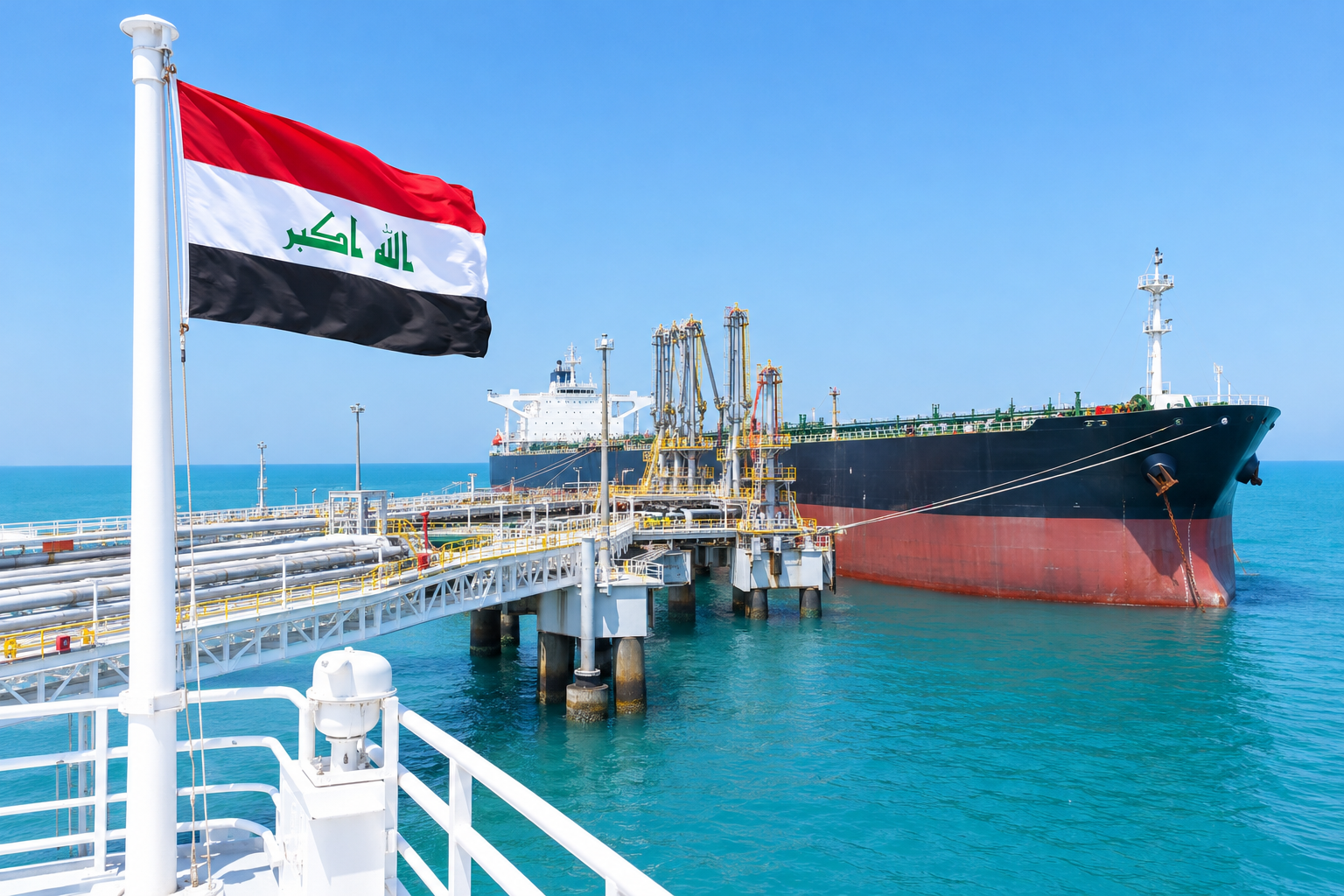
That matters far more when freight swings this hard. Because we sit close to the cargo, we can quote FOB at the loading port, including FOB Basrah through our direct SOMO allocation and FOB Sohar, so you see the product price on its own and decide how to handle shipping. Prefer delivered terms? We’ll walk you through exactly how freight and insurance are built into the price. Cargoes are independently inspected by firms such as SGS or Intertek, and there are no upfront fees before a signed contract.
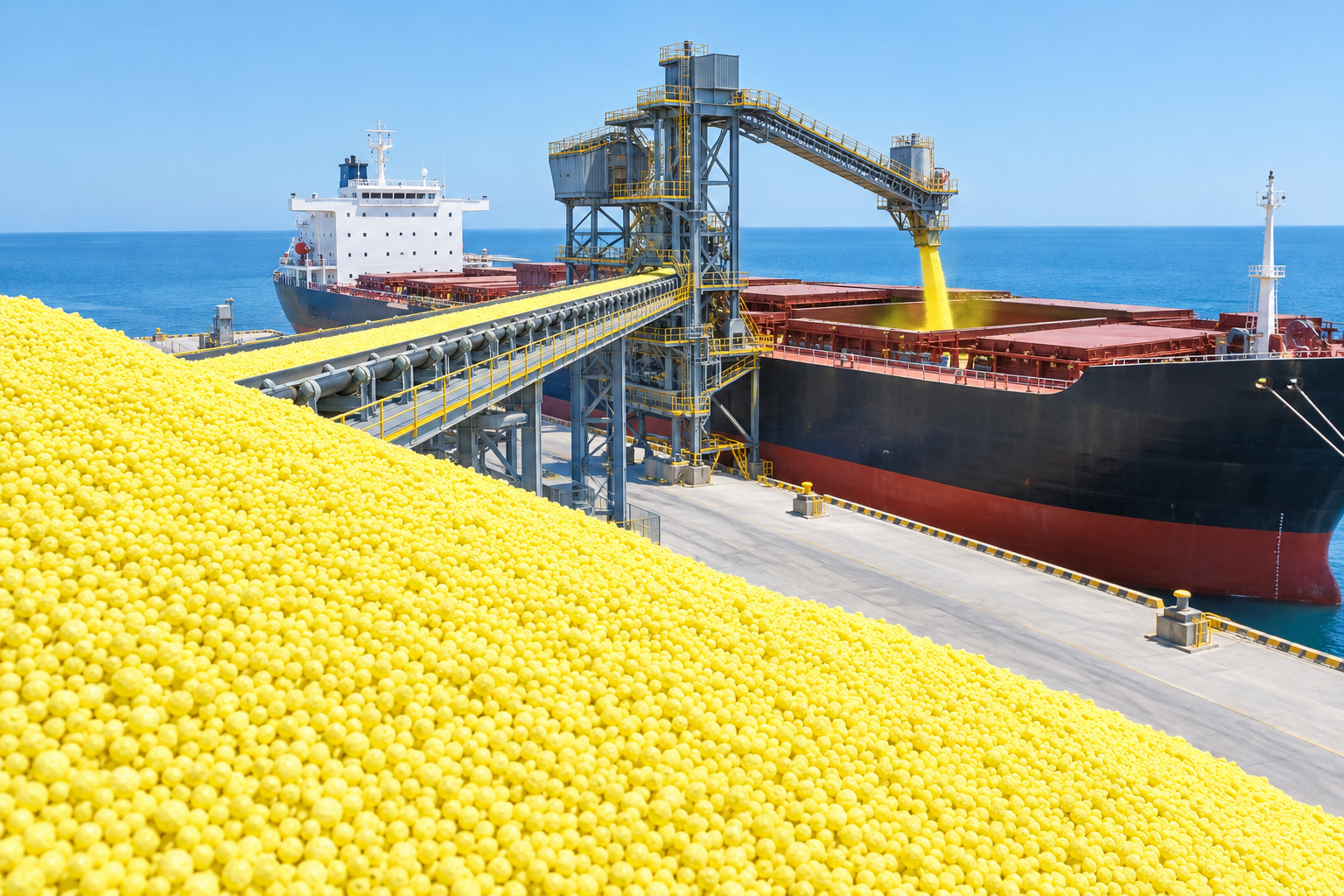
We supply buyers and refiners across North America, South America, EMEA and Asia Pacific, from Iraqi crude to diesel, jet fuel, fuel oil and granular Sulphur. Our model has always been direct trading, not brokerage.
The Bottom Line
For most of the past decade, freight was a rounding error. This year it grew into a third of the bill on some routes. Now it’s coming down, and quickly. The buyers who benefit first will be the ones who can see it, separate it and negotiate it. Everyone else will find out on next quarter’s invoice.
WANT TO SEE THE OIL PRICE AND THE FREIGHT PRICE SEPARATELY? Ask PETROLODEX for a direct FOB quote
Email: info@petrolodex.com with the product, volume and destination port, or call +971 4 558 1599. Petrolodex Corporation FZCO, Damac XL Tower, Business Bay, Dubai, UAE.
Frequently Asked Questions
How much does it cost to ship crude oil to Asia in 2026?
In early November 2026, a Valero executive said shipping crude from the US Gulf Coast to Asia cost $30 to $35 a barrel, up from about $5 a year earlier. Argus put the Middle East Gulf to Asia supertanker spot rate at about $32.82 a barrel on 12 November 2026.
Why are oil tanker freight rates so high?
Freight rose because fewer tankers were available for normal trades, voyages got longer, and marine insurance costs climbed sharply. OPEC data show insurance on the Middle East to East Asia route rose from $0.06 to $12.29 a barrel between January and October 2026.
Are oil tanker rates going down?
Yes. Rates on many routes fell about 50% from their October 2026 peaks, and the January 2027 freight futures contract for Middle East Gulf to Asia supertankers was equivalent to about $13 a barrel, well below the spot rate.
How does freight affect diesel and fuel prices?
Buyers pay freight twice: once on the crude shipped to the refinery and again on the refined product shipped to them. High freight also lets refiners close to customers earn wider margins, so buyers far from supply often pay more for diesel, jet fuel and fuel oil.
What is the difference between FOB and CIF when freight is expensive?
Under FOB, the buyer arranges and pays for shipping from the loading port, so product price and freight are separate. Under CIF, the seller rolls cost, insurance and freight into one price. When freight is volatile, FOB pricing or an itemized CIF quote keeps the shipping cost visible.
How can buyers reduce crude oil and fuel shipping costs?
Buy closer to the source, ask for freight and insurance as separate line items, match the vessel size to the cargo, watch freight futures when fixing term deals, and cut the number of intermediaries in the supply chain.
Is Petrolodex a broker or intermediary?
No. Petrolodex is a principal trading company, not a broker or matchmaking platform. Buyers deal directly with Petrolodex under one contract with one point of accountability.