About the Author

Our trading desk tracked every Basrah cargo from August to October. A few big names lifted most of it. Here’s how Petrolodex loads the same crude from its own SOMO allocation and gets it through the Strait, insured and cleared.
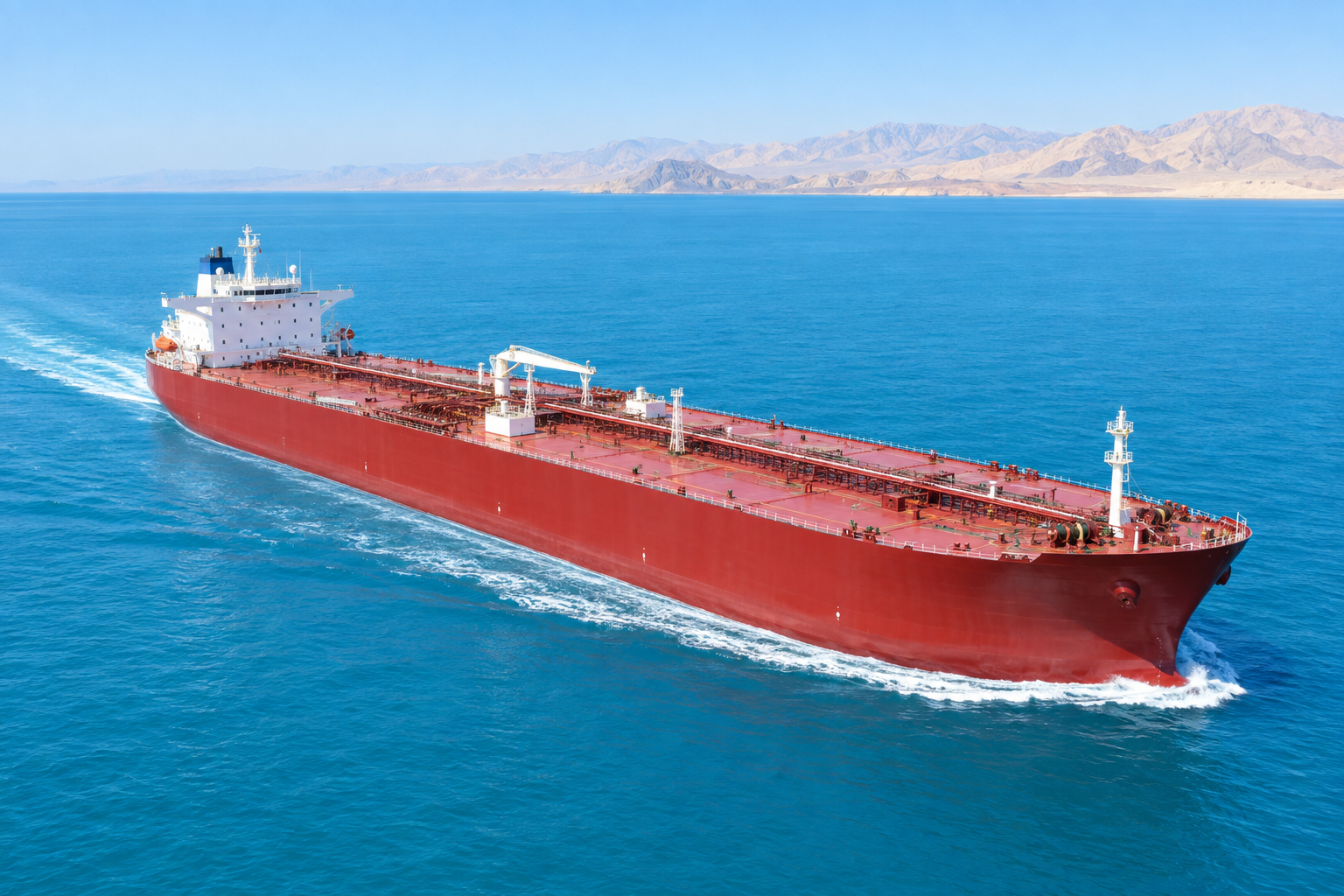
From August to October, Vitol, ADNOC and Mercuria lifted about 146 million barrels, close to 6 in every 10. Petrolodex offers its buyers the same access the majors have: Basrah Medium and Basrah Heavy direct from its own SOMO allocation, FOB Basrah, with vetted vessels and Strait of Hormuz passage and marine insurance arranged.
Every month, our trading desk works through the Basrah loading data one cargo at a time. Ship names, berths, API gravity, water content, declared destination and who lifted it.
October jumped off the page.
Basrah loaded 94.3 million barrels on 56 cargoes. That works out to about 3.04 million barrels a day, up from 2.55 million in September and 2.47 million in August. In volume terms, 23% more crude than the month before.
Then you look at who loaded it.
Who Is Buying Basrah Crude?
Across the three months, a small group of large traders and national oil companies took the lion’s share.
| Buyer | Aug | Sep | Oct | 3 months |
| Vitol | 15.9 | 27.0 | 29.8 | 72.8 |
| ADNOC | 13.1 | 18.7 | 13.7 | 45.5 |
| Mercuria | 0 | 5.0 | 22.8 | 27.8 |
| TotalEnergies | 9.8 | 0 | 1.9 | 11.8 |
| Trafigura | 1.0 | 0 | 10.1 | 11.1 |
| Reliance | 4.9 | 4.0 | 2.1 | 11.1 |
Vitol alone took 29% of everything that loaded. Vitol, ADNOC and Mercuria together lifted about 146 million barrels, close to six in every ten. Mercuria went from zero in August to 22.8 million barrels across 15 cargoes in October.
That’s not a criticism. These are serious companies doing what serious companies do. They saw volume rising, they had ships, insurance and term positions lined up, and they moved.
So, here’s the question for everyone else. If the majors can see this, why are so many refiners still buying Basrah crude third or fourth hand?
When volume rises this fast, the first barrels go to whoever is already positioned at the loading port. Everyone else buys from them, with a margin on top.
Petrolodex Offers the Same Access
Through its own SOMO allocation, Petrolodex can supply Basrah Medium and Basrah Heavy to its buyers on the same basis the majors load: direct from the allocation, FOB Basrah, on vetted vessels, with Strait of Hormuz passage and marine insurance arranged. Same barrels. Same loading port. No chain in between.
What Does the Basrah Loading Data Tell Crude Buyers?
1. More crude is moving, and more of it is Heavy
Basrah Heavy climbed from 16.8 million barrels in August to 30.6 million in October, up 82% in two months. Its share of loadings rose from 22% to 32%. Basrah Medium grew too, reaching 63.7 million barrels. If your refinery runs heavier, sour barrels, the supply is there.
2. “Basrah Medium” is not one quality
This is the detail most offers leave out. In October, Medium loaded at the offshore single point moorings (SPMs) averaged 29.6 API. Medium from the BOT berths averaged 27.2. That gap has widened from 1.7 to 2.4 degrees over three months. Same grade name, noticeably different crude. Buying Medium? Ask which loading point it comes from.
3. Heavy is tight and consistent
Every Heavy cargo across the three months landed between 23.2 and 24.6 API, and October’s range (23.21 to 24.13) was the narrowest yet. All 45 Heavy cargoes loaded at the SPMs. For refiners planning a crude slate, that kind of consistency is worth real money.
4. It’s clean crude
Water and sediment (BS&W) averaged just 0.18% to 0.21% across the period. September was the cleanest month, with six cargoes at the 0.05% floor.
5. You don’t need a VLCC
Most cargoes are VLCC size, around 2 million barrels, and October saw 39 of them, more than one a day. But 17 October cargoes were Suezmax size lots of about 1 million barrels, and 11 of those went to India, where refiners bought mainly in that lot size. Smaller parcels clearly work.
| Indicator | August | September | October |
| Total loaded (mn bbl) | 76.6 | 76.5 | 94.3 |
| Loading rate (kb/d) | 2,472 | 2,551 | 3,041 |
| Basrah Heavy share | 22.0% | 27.9% | 32.4% |
| Medium API (volume weighted) | 27.83 | 27.97 | 28.23 |
| Heavy API (volume weighted) | 24.00 | 23.74 | 23.70 |
| VLCC size / Suezmax size calls | 33 / 10 | 33 / 11 | 39 / 17 |
| Average BS&W | 0.207% | 0.181% | 0.203% |
Where Is Basrah Crude Going?
Declared destinations shifted toward Asia and India. Cargoes declared simply to “Asia” rose to 25.8 million barrels in October. India climbed from 6.8 million in August to 15.3 million. China bounced back to 15.0 million after only 4.0 million in September. Europe held steady at 18.6 million.
Demand is broad. Asia, India, Europe and the Gulf are all taking Basrah crude. Which makes the obvious point: if you’re a refiner in any of those markets, your supply doesn’t have to come through someone else’s book.
Why Is Getting the Cargo Out of the Gulf the Real Test?
Loading the crude is half the job. Getting it out of the Gulf, properly insured, is the other half.
Insurance has turned into a real cost. On the Middle East to East Asia route, marine insurance rose from about $0.06 a barrel in January to $12.29 in October, according to OPEC figures. Freight has since eased from its peaks on many routes, but cover still has to be placed correctly, and not every seller can do it.
This is where plenty of “Basrah offers” quietly fall apart. A seller can show you an allocation letter. Can they also put a vetted vessel on the berth, take it through the Strait of Hormuz with the right cover and passage in place, and hand you a cargo you can actually sail to your refinery? That’s the real test. And it’s the one we pass.
What can Petrolodex Do at Basrah?
Petrolodex holds its own direct crude allocation from SOMO, Iraq’s state oil marketing company. We’re a principal, not a broker. We buy and sell in our own name, so you deal with us directly. One contract, one counterparty, one point of accountability.
In plain terms, we do at Basrah what the majors do, for buyers who aren’t majors. From the allocation to open water, we handle it end to end:
From SOMO Allocation To Open Sea
- Allocation. Basrah Medium and Basrah Heavy supplied FOB Basrah straight from our own SOMO allocation, with no chain of resellers in between.
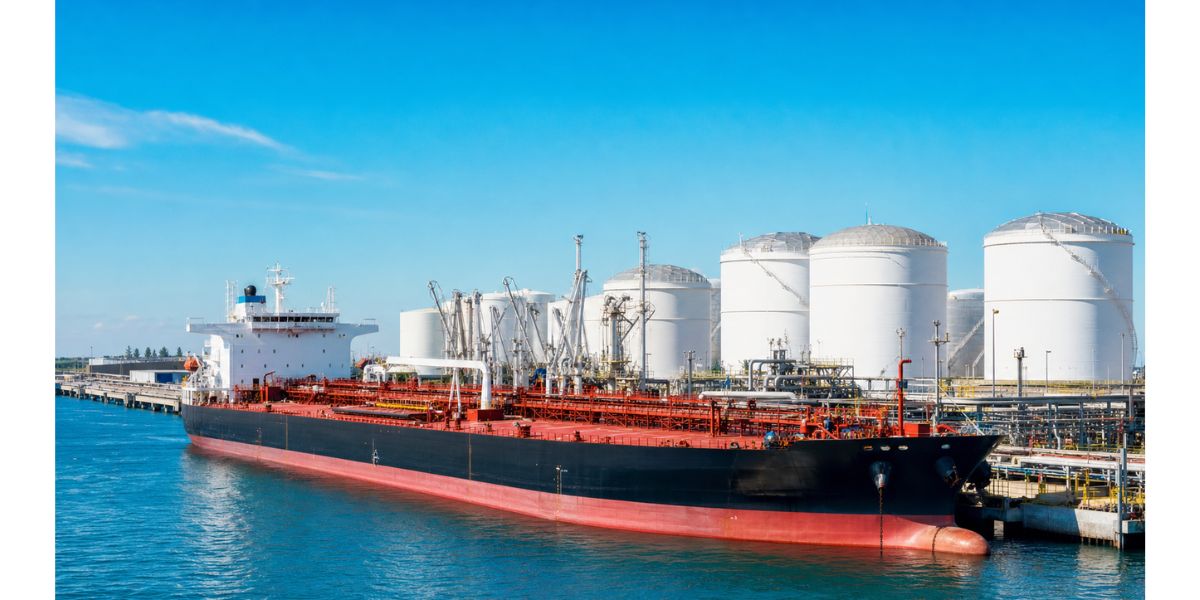
- Lifting. Vetted vessels that can load at the Basrah SPMs and BOT berths, so the cargo actually moves, not just the paperwork.
- Strait passage. We arrange for vessels to transit the Strait of Hormuz with proper marine insurance cover and passage in place, so your cargo leaves the Gulf ready to sail to destination.
- Delivery ready. Quantity and quality checked by independent inspectors such as SGS or Intertek, and no upfront fees before a signed contract.
How that compares with what most buyers are offered:
| What the buyer needs | Major traders | Typical chain offer | Petrolodex |
| Direct SOMO allocation | Yes | Rarely verifiable | Yes, our own |
| Vetted vessel on the berth | Yes | Usually not | Yes |
| Hormuz passage and insurance arranged | Yes | Usually not | Yes |
| VLCC or Suezmax lots | Mostly VLCC | Whatever is offered | Both |
| Who you contract with | The trader | A chain of mandates | Petrolodex, as principal |
We also match the cargo to the buyer: VLCC or Suezmax size, Medium or Heavy, with the loading point and expected quality discussed up front. We supply buyers and refiners across North America, South America, EMEA and Asia Pacific, and our model has always been direct trading, not brokerage.
The Bottom Line
Basrah just posted its busiest month in our three month monitor. The big traders spotted it early and moved fast. You don’t need their size to buy the same barrels. Petrolodex gives its buyers the same SOMO access the majors have. All you need is a seller with a real SOMO allocation, real ships and a real plan for getting the cargo through the Strait, insured and cleared. That’s exactly what we do.
Want Basrah Medium or Basrah Heavy direct from a SOMO allocation? Talk to the Petrolodex Crude Desk
Email info@petrolodex.com with the grade, volume, loading window and destination, or call +971 4 558 1599. Petrolodex Corporation FZCO, Office 1904, Damac XL Tower, Business Bay, Dubai, UAE.
Frequently Asked Questions
How much crude did Basrah load in October 2026?
Basrah loaded 94.3 million barrels on 56 cargoes in October 2026, about 3.04 million barrels a day, according to the Petrolodex Basrah Crude Loadings Monitor. That was 23% more crude than in September.
Who are the biggest buyers of Basrah crude?
From August to October 2026, Vitol lifted 72.8 million barrels, ADNOC 45.5 million and Mercuria 27.8 million. Together they took close to six in every ten barrels loaded. TotalEnergies, Trafigura and Reliance each lifted about 11 to 12 million barrels.
What is the API gravity of Basrah Medium and Basrah Heavy?
In October 2026, Basrah Medium averaged 28.23 API and Basrah Heavy 23.70 API on a volume weighted basis. Medium loaded at the offshore SPMs averaged about 29.6 API, while Medium from the BOT berths averaged about 27.2 API.
Can buyers purchase Basrah crude in Suezmax size cargoes?
Yes. In October 2026, 17 Basrah cargoes were Suezmax size lots of about 1 million barrels, and 11 of them went to India. VLCC size cargoes of about 2 million barrels are the most common.
How can a buyer get Basrah crude directly from a SOMO allocation?
Buy from a company that holds its own SOMO allocation and sells as principal, not through brokers or mandates. Before signing, ask to see the allocation, the loading terms, the nominated vessel, the Strait passage and insurance plan, and the independent inspection arrangements.
Can Petrolodex supply Basrah crude from SOMO the way the majors do?
Yes. Petrolodex holds its own SOMO allocation and offers its buyers the same direct Basrah access the major traders use: Basrah Medium and Basrah Heavy FOB Basrah, in VLCC or Suezmax lots, on vetted vessels, with Strait of Hormuz passage and marine insurance arranged.
Can Petrolodex move Basrah cargoes through the Strait of Hormuz?
Yes. Petrolodex supplies Basrah crude from its own SOMO allocation and arranges for vetted vessels to transit the Strait of Hormuz with proper marine insurance cover and passage in place, so the buyer receives a cargo that is ready to sail to destination.
Is Petrolodex a broker or intermediary?
No. Petrolodex is a principal trading company, not a broker or matchmaking platform. Buyers deal directly with Petrolodex under one contract with one point of accountability.